
Race-kit pickup without the queue
Lay out desks, split lanes by distance and scan QR codes so one desk hands out 120 race kits an hour without extra staff.
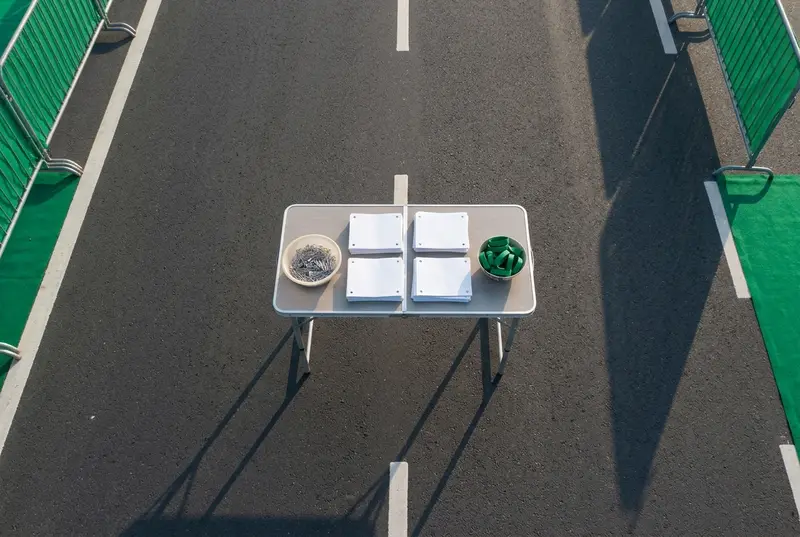
A long queue at kit pickup is rarely about too few people. It usually comes from each runner stopping at too many points: finding a name, signing, collecting a bib, collecting a shirt, swapping a shirt size.
Merge the stops
Aim for one stop: scan the code, see the bib, distance and shirt size, hand over one bag prepared in advance. A scan record with time and staff name replaces the signature.
Split the lanes
- Split desks by bib range, not by alphabet.
- Keep one desk for cases that need handling: pickup for a friend, size swaps, missing documents.
- Put signs ten metres before the queue so people join the right line from the start.
The day before
- Sort bags in bib order.
- Test scanning on every device and check the signal at the venue.
- Print 5% spare bibs for torn or misspelt ones.
Run this way, a two-person desk hands out about 120 kits an hour [sample figure, varies by venue]. A 2,000-runner race is comfortable with four desks over two sessions.
The number to watch on the day
Track kits handed out per hour. If more than 30% are still uncollected by noon on the last day, send a reminder at once and add an evening session.
Pickup on behalf: prepare ahead, do not solve it at the desk
Roughly one runner in five asks someone else to collect the kit [sample figure]. If the paperwork is only checked at the desk, the whole line stops. Say it in the e-mail before pickup day: the collector needs an authorisation made online and the code of the person they collect for. At the desk the volunteer simply scans the code and takes a confirmation photo.
After each session, look at kits handed out per distance. If one distance is behind, e-mail a reminder to that group alone rather than to everyone. A short, specific message to four hundred people is read; a general one to two thousand is not.