
A riverside city race [sample story]
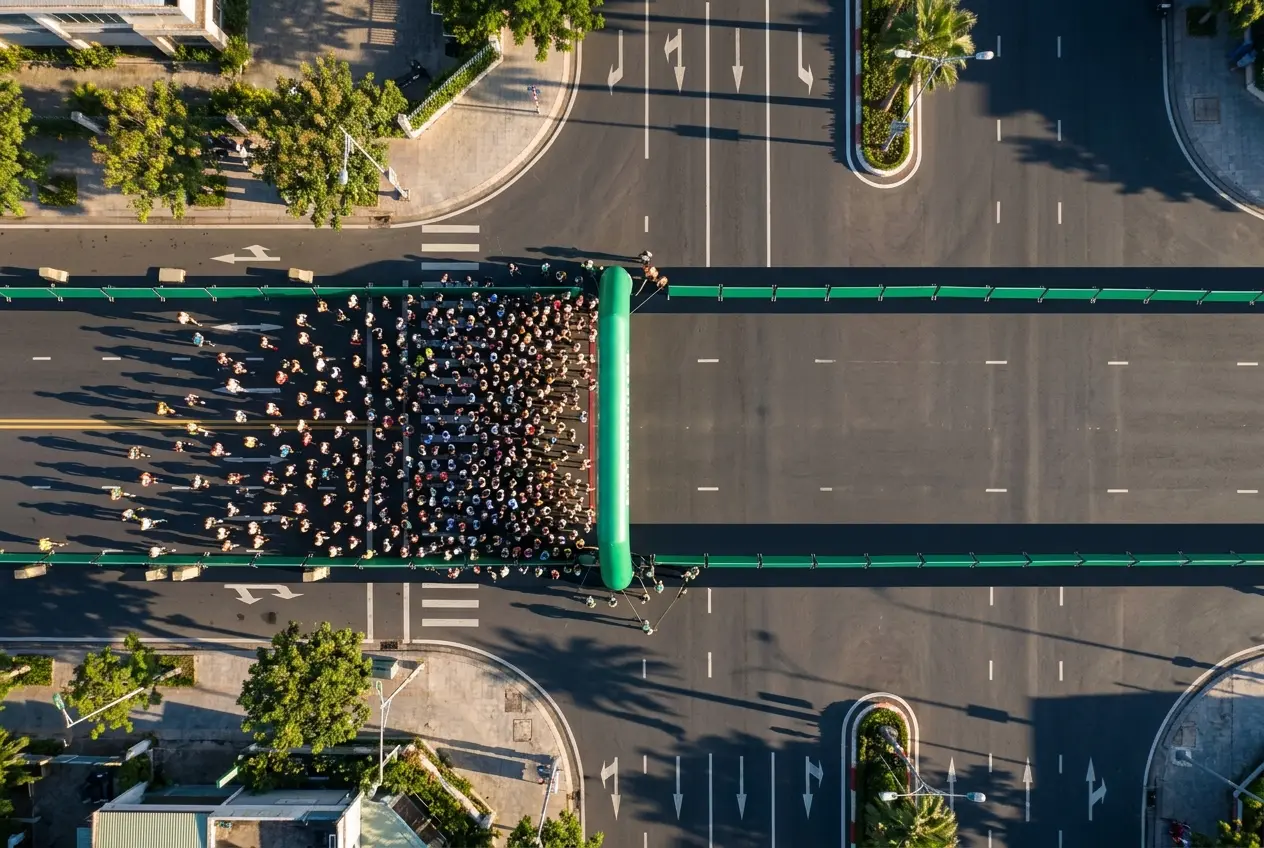
An event company runs a 6,000-runner city race for a local authority: sponsor invitation tickets, four kit desks and the post-race report.
Features
Eleven jobs of an organiser, all on the same runner data.
A registration page for each race on the organiser's own domain, online payment, orders confirmed automatically when money arrives.
Up to four price waves by date or by quota, several ticket types per distance, shirts and merchandise as add-ons.
Codes by percentage, amount or flat price; a group leader pays once and members fill in their details through a group link.
Forms you design with conditional fields, waivers signed online, runners editing their own details and transferring tickets.
Bib pools per distance, a bib draw, QR scanning at kit pickup with confirmation photos and online authorisation for pickup on behalf.
Import results from the timing provider's file, design certificates by drag and drop, e-mail a PDF to every runner.
One entry for a whole relay team, combos of several distances, series of several races and private races opened by a code.
A referral code for each affiliate, several commission models, a report page for partners and approval of payout requests.
Kit pickup day
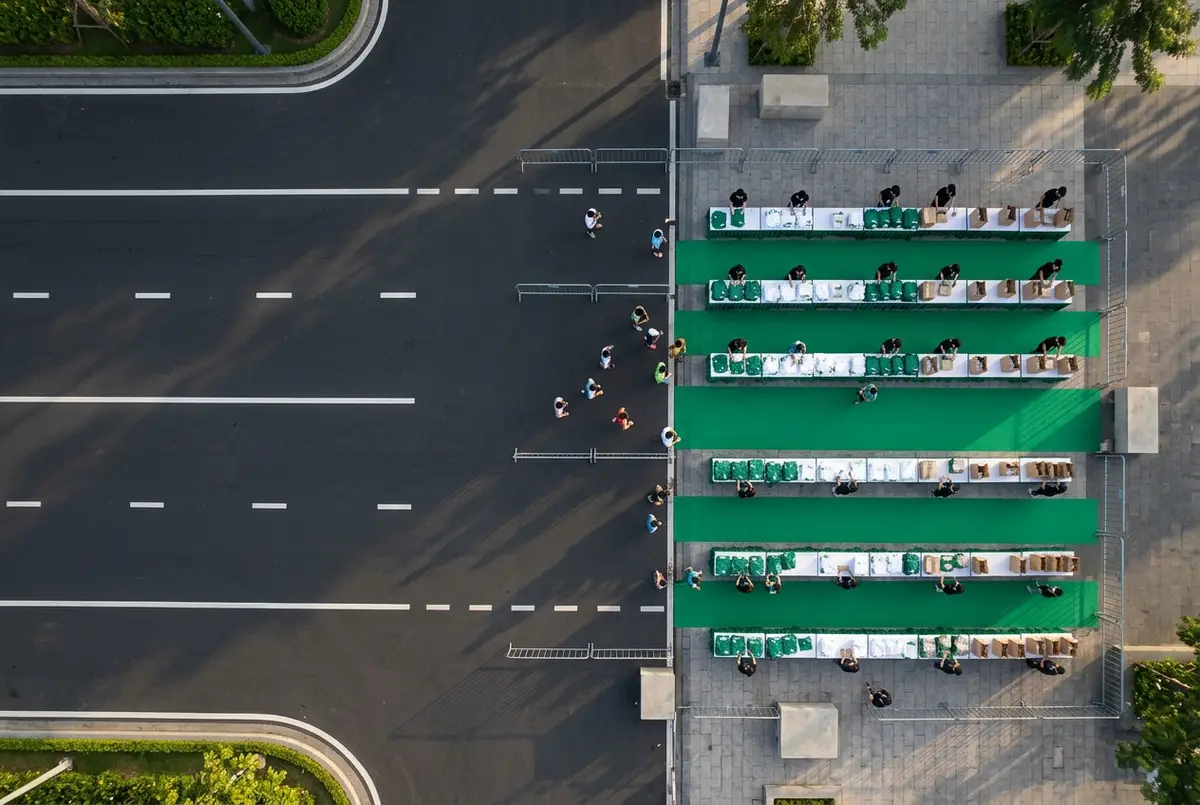
The runner shows a QR code and staff see the bib, distance, shirt size and notes at once. Every desk sees the same list.
Who handed it over and when is recorded.
Records who collected for whom.
How it works
From opening sales to closing the books, everything sits in one system.
KM 0
Set distances, price waves, the form and the receiving account; attach the domain; share the link.
KM 10
Watch orders per distance, give promo codes to clubs, e-mail the right group.
KM 21
Assign numbers from the pool per distance and scan QR codes at several pickup desks at once.
KM 30
Check in crew and runners by QR per point and run the lucky draw on stage.
KM 42
Import results from a file, send e-certificates, export orders to Excel and issue invoices.
Solutions
Running clubs
No setup fee and no technical staff. A member who can use a spreadsheet can open a race.
Event companies
Access per race, an own domain for each client, separate exports for each race.
Brands and sponsors
Marketing teams issue invitation codes to staff and customers and track codes used and participants per distance.
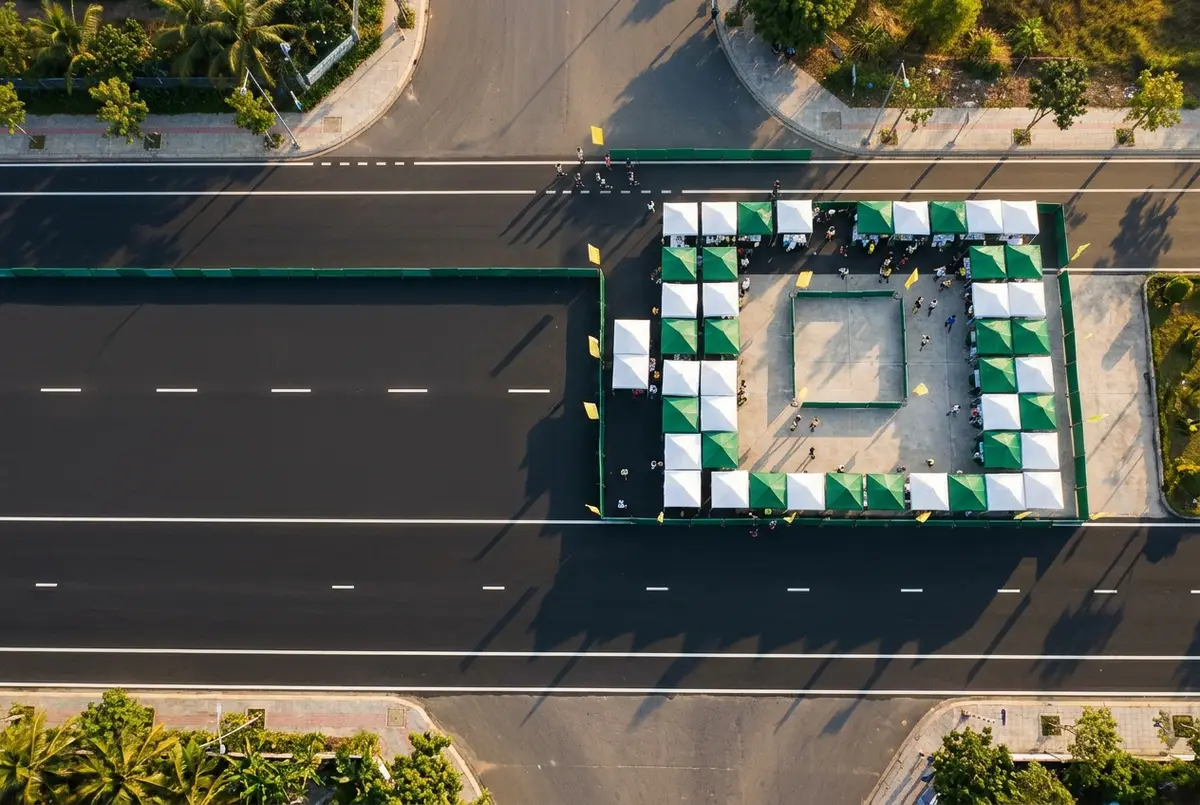
Local authorities
Clear records for the governing body: runner data exportable in full, a change log, and access for each partner agency.
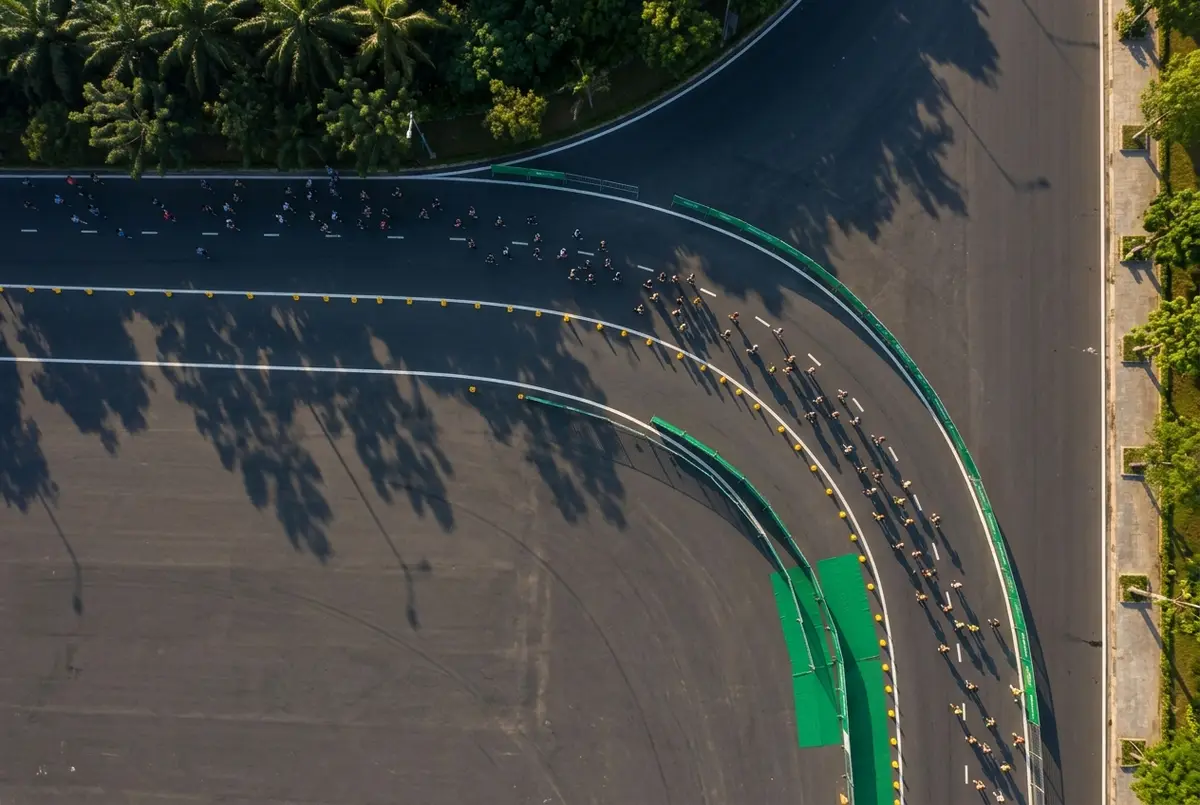
Fee estimate
Enter a ticket price and the runners you expect. All figures below are sample figures of this theme.
Races organised
An event company runs a 6,000-runner city race for a local authority: sponsor invitation tickets, four kit desks and the post-race report.
A trail running club puts on an 800-runner race in the tea hills with volunteers: how they sold tickets, handed out kits with weak signal and published results.
Preparation calendar
The clock and milestones come from the block's data; change the date and the clock follows.
West Lake Sunrise Run [sample] starts
T-120
T-60
T-14
A kit pickup QR code goes to every runner.
T-2
T+7
FAQ
Not here? Call 0962.07.62.62 during office hours.
With race details, prices and a receiving account ready, the support team sets the race up with the organiser and opens sales. Typical time: [to be filled in].
Ticket money passes through the payment gateway the organiser has contracted and reaches the organiser's account on the gateway's settlement schedule. Cash-flow details per plan: [to be filled in].
Yes. The runner list and bib numbers are exported to a file for the timing provider, and their results file is imported back to issue certificates. The platform does not replace timing equipment.
The runner transfers the ticket to someone else online and pays the transfer fee the organiser set. Distance changes are handled by the organiser.
The data belongs to the organiser, who can export all of it at any time; retention and deletion rules are on the Service commitment page.