
A riverside city race [sample story]
An event company runs a 6,000-runner city race for a local authority: sponsor invitation tickets, four kit desks and the post-race report.
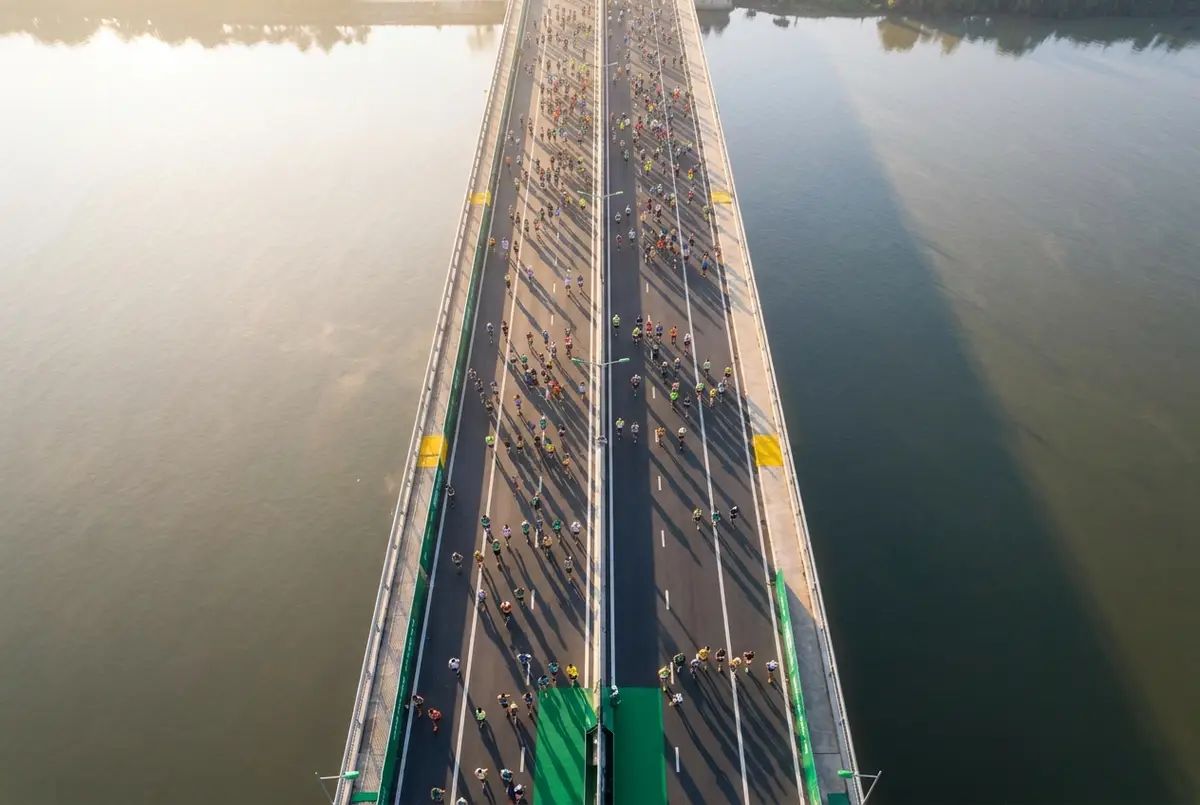
A sample story of this theme. Replace it with a real customer story.
Background
An event company is appointed by a local authority to run a race promoting riverside tourism: four distances, about 6,000 runners, five sponsors. The governing body needs participant numbers by province and an income report.
What they did
- Invitation tickets: each sponsor received a batch of codes. Two weeks out, the organisers saw two batches less than half used and sent a timely reminder.
- Race kits: four desks split by bib range and one desk for pickups on behalf of others. The peak was Friday evening.
- Race day: a changed start time for the 5 km went by e-mail to exactly the runners in that distance.
- Afterwards: e-certificates went to finishers; participant numbers by province were exported in the first week.
Lessons
For a race with many stakeholders, the biggest time-saver is not a single feature but everyone looking at one source of numbers. The organisers no longer merge five spreadsheets before each meeting.
Detailed figures: [to be filled in when a real story is used].
Access for many parties
Five parties worked on the race: the event company, the governing body, the timing provider, the volunteer team and the accountants. Each received its own role. Kit volunteers saw only name, bib and distance. Accountants saw orders and invoices but could not edit runner details. The volunteers' access expired by itself after race day.
When a question came up about an order that had been changed, the organisers opened the change log and saw at once who changed it, when, and the values before and after.
The governing body asked for one more thing: a full list of participants. It was exported to a spreadsheet the same afternoon, with the columns the organisers chose. Nobody had to copy rows by hand or wait for a developer.